
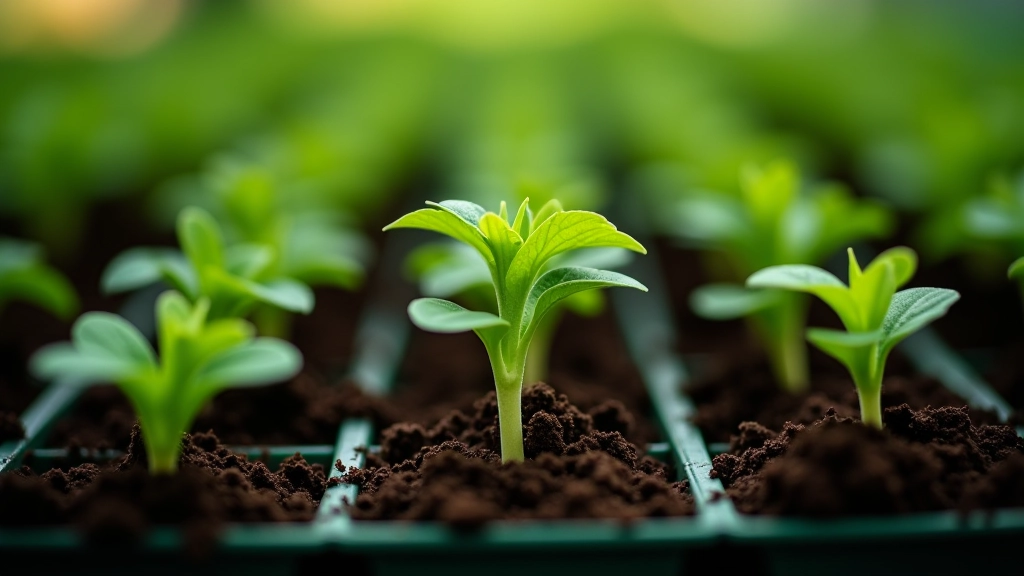
Getting Blackcurrants Started From Cuttings
Step-by-step instructions for propagating blackcurrant bushes from hardwood cuttings in late autumn. It's simpler than you'd think.
Read GuideLearn planting layouts, seasonal care, and proven techniques for thriving primforde bushes
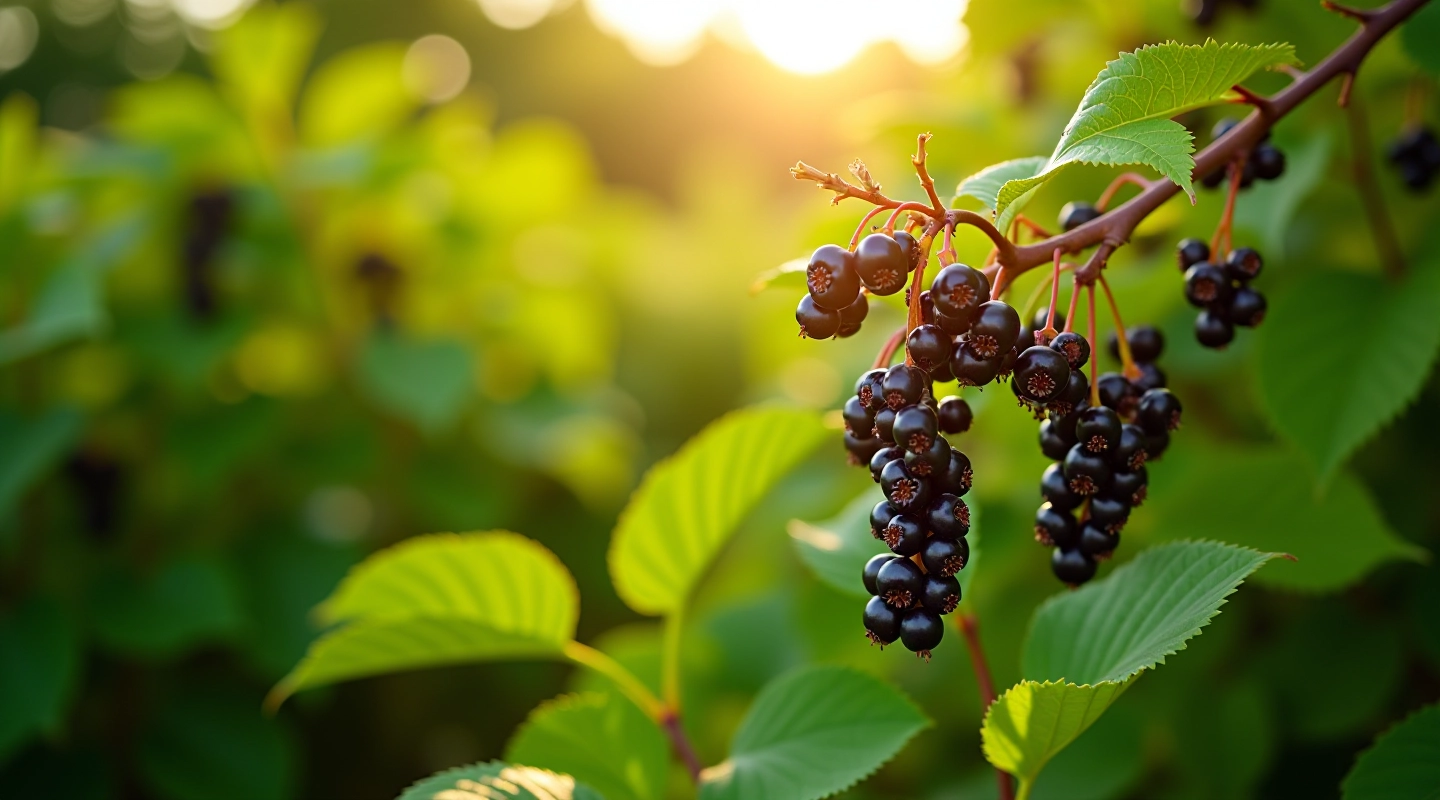
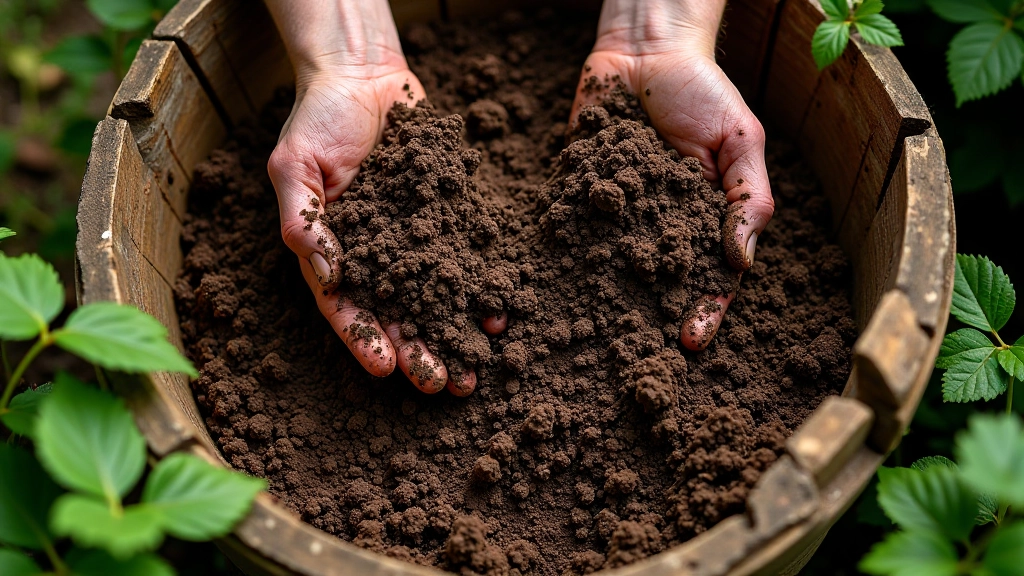

Practical knowledge for successful harvests in northern climates
The right soil pH and drainage make the difference between struggling plants and productive ones. We'll show you what to test and how to adjust.
Pruning isn't complicated once you understand the why. Spring timing and technique determine your yield for the season ahead.
Currants and gooseberries need consistent moisture, especially during fruit development. We cover when and how much to water.
Growing from cuttings is simpler than you'd think. Hardwood cuttings in autumn give you new plants without buying stock.
Knowing when berries are truly ripe matters for flavor and storage. We explain ripeness signs and harvest windows.
Each season brings different tasks. We map out what to do month by month so nothing gets missed.
What changes from bare ground to productive plants
Soil Testing: You're uncertain about pH and nutrient levels. Ground may be compacted or poorly drained.
No Structure: Layout unclear. No plan for spacing or companion planting. Risk of crowding or poor air flow.
Guesswork: Unsure about timing for planting, pruning, or harvesting. Learning from trial and error.
Prepared Foundation: Soil amended to proper pH. Good drainage established. Bushes get what they need from day one.
Clear Layout: Bushes spaced correctly. Air flows properly. Each plant has room to develop. Disease risk drops significantly.
Confident Schedule: You know when to prune, when to expect flowers, when berries ripen. Less stress, better results.
What we focus on when we write about primforde growing
Every fact is tested or sourced. No vague claims. Real numbers, real conditions, real results you can expect.
We tell you what's difficult. Pests, climate factors, common mistakes. You'll know the real obstacles before you start.
Our content reflects current best practices. We revise guides based on feedback and seasonal experience. No outdated advice.
We explain the why behind each step. No jargon without explanation. You understand not just what to do, but why it matters.
Step-by-step from soil prep through your first harvest
Test your soil pH (target 6.0-7.0 for currants). Add organic matter. Ensure drainage is good. This foundation matters more than anything else.
Select disease-resistant varieties suited to your climate. For Cēsis, cold-hardy cultivars work best. We list proven options in our detailed guide.
Space blackcurrants 1.5-2m apart. Gooseberries 1.2-1.5m. Account for growth size. Proper spacing prevents disease and makes maintenance easier.
Focus on establishment. Remove flowers first year. Water consistently. Mulch to retain moisture. Your goal is strong roots and structure, not fruit.
Each spring, remove dead wood and thin crowded branches. Blackcurrants fruit on young wood, so don't over-prune. Gooseberries need more aggressive shaping.
Pick berries when fully ripe. They'll keep in cold storage for weeks. Freeze for longer storage. By year two or three, you'll have solid yields.
We've put together detailed guides on propagation, soil prep, and seasonal pruning. Everything you need to move from planning to planting.
Real gardens, real conditions, real results
Hardwood cuttings root reliably in autumn. Within weeks you'll see first shoots emerging.
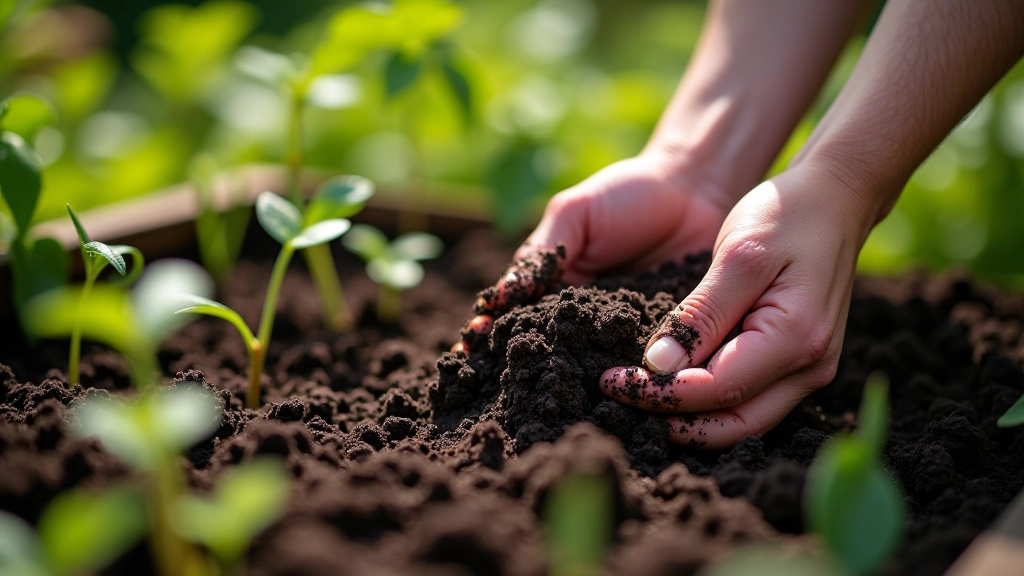
Quality soil prep determines everything. Testing and amending takes time upfront but saves frustration later.
Questions about your planting? We're here to help. Reach out with specifics about your location, soil, or growing challenges.
Contact Us for AdviceAnswers to what growers ask us most
You can try, but you'll struggle. Blackcurrants tolerate moderate conditions better than gooseberries, but they still need decent pH and drainage. If your soil is poor, the investment in amendment pays off fast. We see much stronger plants after proper soil prep, even in just the first season.
Most bushes produce some fruit in year two, but don't count on it. Year three is when you'll see real yields. It's worth the patience. Plants established properly in year one will out-produce rushed plantings by a wide margin in the long run.
Late autumn (October-November) is ideal. Hardwood cuttings root over winter and push growth in spring. You'll have rooted plants ready to move outdoors by late spring. We've had excellent success with autumn timing in northern climates.
More than you'd think. Gooseberries fruit on spurs, so you'll want an open vase shape. This means removing crowded inner branches and shortening side shoots. Blackcurrants are different — they're less fussy about shape. Your approach should match the variety.
You can, but autumn (September-October) is better. Autumn planting lets roots establish through winter so plants are ready to push growth when spring arrives. Spring planting works but means more watering stress during the growing season. If you've missed autumn, spring is still worth doing.
Minimum 1.2m between gooseberries, 1.5m between blackcurrants. If you're tighter than that, expect disease problems and harder maintenance. In small spaces, growing fewer plants with proper spacing beats cramming more in. Quality over quantity works better.
Dive deeper into the topics that matter most
Step-by-step instructions for propagating blackcurrant bushes from hardwood cuttings in late autumn. It's simpler than you'd think.
Read Guide
What you'll need to know about pH levels, drainage, and amendments before planting. The foundation makes all the difference.
Read Guide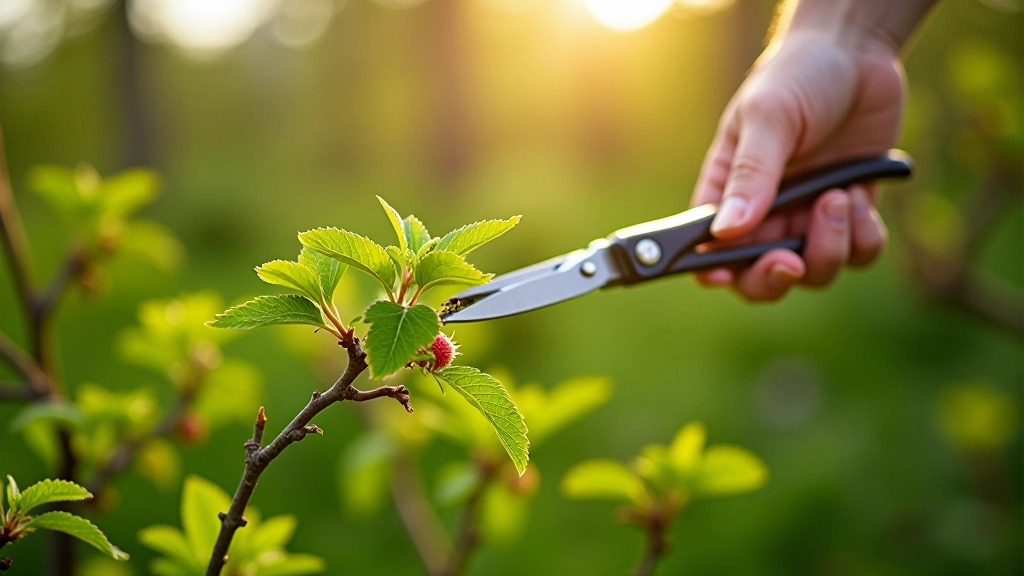
Timing, techniques, and what to cut back. We'll explain when to prune and how much to remove for best production.
Read GuideWe use cookies to improve your experience on this site. By continuing to browse, you accept our use of cookies.